Antimicrobial Activity
Studied against bacteria grown in culture, including bacteria that form biofilms.
Science Meets Nature
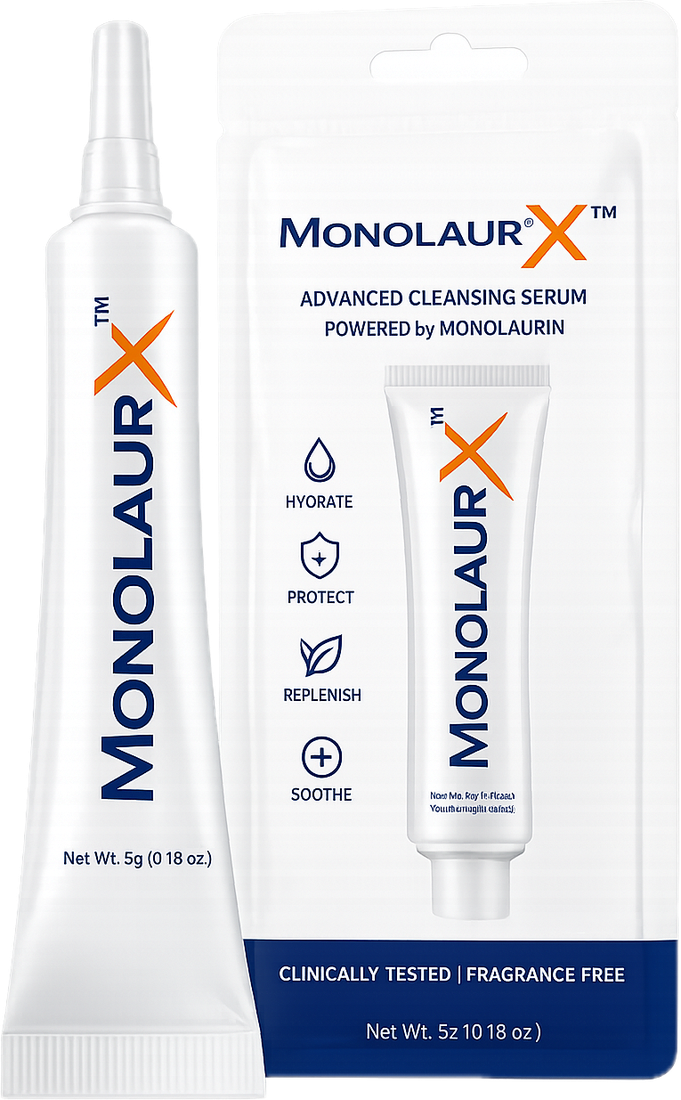
Discover what monolaurin is, how it is made, what laboratory research examines, and the forms you can buy. A simple guide to get you started — not medical advice.
The Essentials
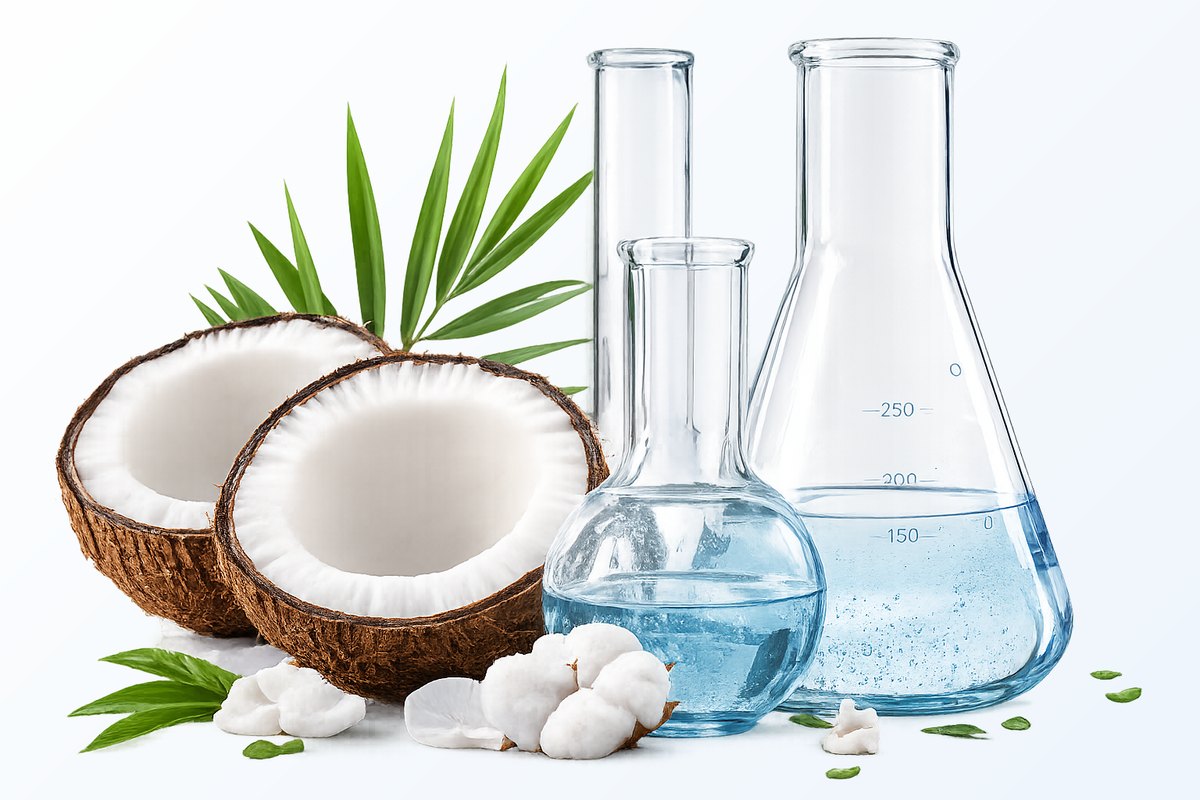
Monolaurin is a compound formed when lauric acid binds with glycerol, which is why it is also called glycerol monolaurate (GML). Lauric acid comes from coconut oil and other fats. When a single lauric acid molecule attaches to one glycerol molecule, it forms a monoester known as monolaurin. It has also been identified in human milk, where one study measured glycerol monolaurate at roughly 3,000 micrograms per milliliter.
From Lauric Acid to Monolaurin
Monolaurin is created through a well-understood process called esterification.
Lauric acid is separated and purified from a fat like coconut oil.
The purified lauric acid is mixed with glycerol in a reaction called esterification.
The result is monolaurin — a specific ester, not the same as coconut oil.
Science, Nature, a Brighter You
Monolaurin brings together the purity of a coconut-derived ingredient and the curiosity of ongoing laboratory science. Because it is made through esterification, applying or eating coconut oil does not give you a set amount of monolaurin — purity and methods differ from one supplier to the next.
What Research Shows
Most of this work is done in vitro — outside the body, in a dish or culture. Some is done in animals, and human research is more limited. The findings point to possible mechanisms under specific test conditions, nothing beyond that.
Studied against bacteria grown in culture, including bacteria that form biofilms.
Examined for how it interacts with biofilms under laboratory conditions.
Observed interacting with lipid-enveloped microorganisms and cell membranes.
Looked at for effects on inflammatory responses in test settings.
Read this research fairly
Safety First
How safe monolaurin is depends on the situation — the format, concentration, full formula, and how the product is used. Oral supplements and topical cosmetics are not the same, so directions for one should not be used for the other. Skin tolerance comes down to the complete formula, not monolaurin by itself.
Compare Your Options
Research on one format does not automatically transfer to the other.
Common Questions
No. Monolaurin is a different compound, formed when lauric acid combines with glycerol.
Coconut oil is rich in lauric acid but is not the same as purified, standardized monolaurin.
It is used as an ingredient in research, oral supplements, and topical products, and is not a treatment for any disease.
That depends on the product and its label, so follow the directions for the specific item you own.
There is no universal amount, so use the quantity on your product label and ask a healthcare professional for personal supplement guidance.
Still have questions? Contact our team.
Our Sources
A selection of peer-reviewed research referenced on this page.
(2015). Non-aqueous glycerol monolaurate gel exhibits antibacterial and anti-biofilm activity against Gram-positive and Gram-negative pathogens. PLOS ONE, 10(3), e0120280
doi.org/10.1371/journal.pone.0120280(2019). Glycerol monolaurate contributes to the antimicrobial and anti-inflammatory activity of human milk. Scientific Reports, 9, 14550
doi.org/10.1038/s41598-019-51130-y(2012). Glycerol monolaurate antibacterial activity in broth and biofilm cultures. PLOS ONE, 7(7), e40350
doi.org/10.1371/journal.pone.0040350(2016). Glycerol monolaurate (GML) inhibits human T cell signaling and function by disrupting lipid dynamics. Scientific Reports, 6, 30225
doi.org/10.1038/srep30225Go Deeper